Muslim Russian Girls
Dating Muslim Women from Russia: What You Should Know
Muslim women from Russia represent a wide range of backgrounds, personalities, and levels of religiosity. Russia has a significant Muslim population, particularly in regions such as Tatarstan, Bashkortostan, and parts of the North Caucasus. Because of this diversity, it is not accurate to treat all Muslim Russian women as a single group with identical values or expectations.
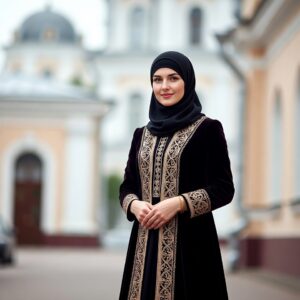
Some Muslim women in Russia are very observant and practice their faith actively, while others identify culturally as Muslim but lead more secular lives. Their views on relationships, family, and lifestyle can vary considerably depending on their personal beliefs, education, and life experiences.
Family and Values
In many Muslim families in Russia, family ties and respect for elders are highly valued. This often influences how women approach relationships. Even those who are independent may still consider their family’s perspective when evaluating a potential long-term partner.
For many Muslim women, emotional connection, loyalty, and shared values are important foundations in a relationship. While this varies from person to person, some prefer to build a strong emotional bond before becoming physically intimate. Being clear and respectful about boundaries and intentions is usually appreciated.
Religious and Cultural Considerations
Religion can play a central role in the lives of some Muslim women. This may influence decisions around lifestyle, diet, social activities, and future plans such as marriage and raising children. If you are dating a Muslim woman who is practicing, it is important to have open conversations about these topics early on, especially if the relationship becomes serious.
At the same time, not every Muslim woman expects her partner to convert or share the same level of religious observance. Many are open to relationships with men from different backgrounds, as long as there is mutual respect for each other’s beliefs and values.
Communication and Expectations
Muslim women from Russia, like women from any other background, generally appreciate honesty and consistency. Being clear about your intentions — whether you are looking for something casual or considering a serious relationship — helps avoid misunderstandings.
Some women may have more traditional views on gender roles and family life, while others have more modern and egalitarian perspectives. It is better to understand her individual views rather than assuming she follows a specific cultural script.
Showing interest in her culture and background can also be positive. Asking respectful questions about her traditions, values, and experiences usually helps build trust and understanding.
Challenges in Intercultural and Interfaith Relationships
Dating across cultural and religious lines can bring both rewards and challenges. Differences may appear in areas such as family involvement, social habits, views on marriage, or how children should be raised. These differences are not necessarily obstacles, but they do require open communication and a willingness to find common ground.
It is also important to recognize that some Muslim women may face family or community pressure regarding who they date or marry. Being patient and understanding in these situations can make a significant difference.
Final Thoughts
Dating a Muslim woman from Russia can be a meaningful experience when approached with respect, curiosity, and honesty. Like any relationship, success depends largely on mutual understanding, good communication, and shared values.
It is essential to see her as an individual rather than through stereotypes or idealized images. Muslim women from Russia have different personalities, levels of religiosity, and life goals. Assuming they all think or behave the same way because of their religion or nationality is both inaccurate and unfair.
The healthiest approach is to communicate openly, respect her boundaries and beliefs, and be clear about your own intentions and expectations. When both people are willing to learn from each other and treat one another with respect, cultural and religious differences can become a source of growth rather than conflict.